All Categories
Featured
Table of Contents
Programmatic SEO and routine SEO differ generally in. Routine SEO focuses on producing and optimizing private pages. This means doing keyword research study and material creation, optimizing metadata, adding images, and structuring internal links (all for one page). This approach is most efficient for post, service pages, or landing pages where depth and creativity matter a lot of.
Programmatic SEO is much different. Rather, you're instantly producing numerous pages. The procedure involves identifying a keyword pattern and developing a dynamic template filled with data from a database or spreadsheet. Once the system is established, you can scale SEO content across numerous pages (and even thousands), and do it much faster than with manual approaches.
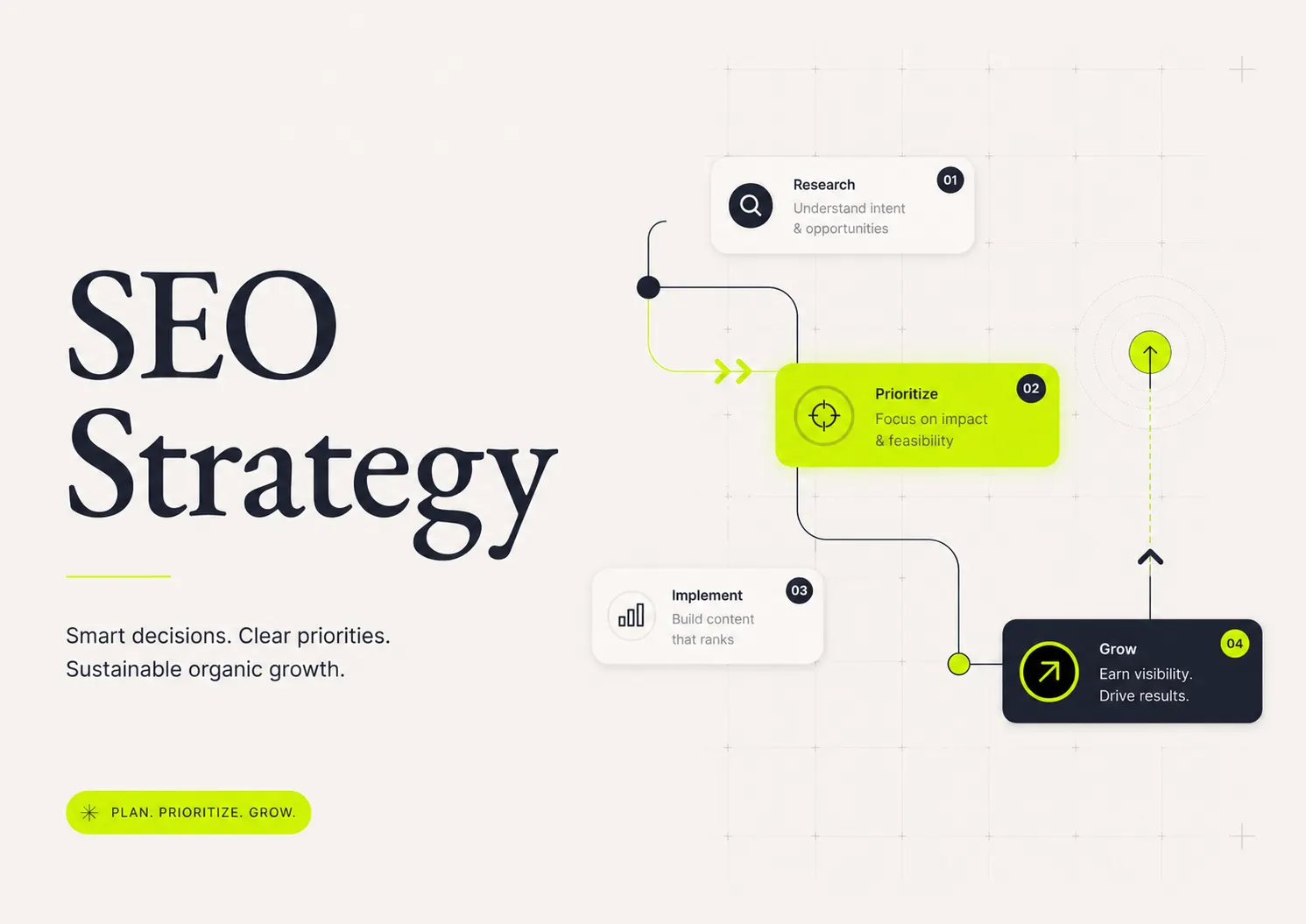
Let's start by reviewing the crucial elements of programmatic SEO. We'll look at them bit by bit to see how the process in fact works. Programmatic SEO works best when you target really specific search inquiries, like "finest budget plan hotels in Paris" or "iPhone 13 cases under $20." Scaling these pages is easy when you understand the keyword pattern.
This information fuels your design template productions and lets you generate numerous distinct pages. Another key pillar of programmatic SEO is design template usage.
Despite the fact that it's automated, optimization still matters. Make certain your pages are crawlable, indexable, and follow SEO best practices. Produce unique titles and meta descriptions, use proper internal connecting, and ensure fast load times. SEO experts like John Mueller and Lily Ray state that programmatic SEO can be simple to abuse.
Streamlining a Programmatic Content Production for 2026
The main thing is to produce pages that really help users. This guarantees your pages aren't ever seen as spam, even at scale.
When used thoughtfully, it can be reliable for scaling premium material. Next, we'll stroll you through how to produce programmatic SEO pages that really deliver worth.
Programmatic material targets thousands of semantically comparable keywords (specifically keyword patterns)., with a head term combined with various area, intent, or item features. You may begin with the head term "best restaurants," and then add various areas as modifiers: Finest dining establishments Finest dining establishments Finest dining establishments You can combine the head term with three modifiers to create 3 unique long-tail keywords.
Then you can scale this almost endlessly by adding more secondary modifiers, like "Best restaurants in Kyiv pet-friendly", "Finest restaurants in London for dates", "Finest dining establishments in New york city with pizza", etc. To discover out which modifiers drive traffic and are appropriate to your audience, you'll want to use SE Ranking's Keyword Suggestion tool, which is perfect for finding keyword patterns.
Strategic Guides to Optimize Programmatic SEO Templates
Go to the section to see a list of long-tail keywords. Those are your keyword patterns.
Leveraging Visual Linking for Better Browse ExposureYou can also run this kind of analysis by examining the main keyword table. Simply focus on keywords with low trouble and good search volume.
It shapes not simply your keyword list, however the entire structure and material of your programmatic SEO pages. It's what the user is attempting to accomplish: (Transactional) (Educational) (Navigational) (Commercial) Creating efficient material suggests knowing exactly what users expect to see.
Leveraging Visual Linking for Better Browse ExposureIt also helps you construct smarter, more targeted templates. If users looking for "best laptops for trainees" desire specifications, price comparisons, and pros & cons, your design template ought to include all of it. If the inquiry is location-based, add maps or regional details. If it's product-focused, include filters or CTAs. Browse intent + keyword insights = plan for scalable, beneficial material.

Latest Posts
Designing Modern Programmatic SEO Frameworks for Bulk Content
Manual Versus AI SEO for E-Commerce
Designing Resilient Bulk Page Generation Systems