All Categories
Featured
Table of Contents
Audit apps monthly. Allow Shopify's CDN for static assets and product images. Use native lazy loading: include loading="lazy" to all product images listed below the fold.
A single item can be available through:/ products/blue-running-shoes/ products/blue-running-shoes? variation=12345/ collections/mens-shoes/products/ blue-running-shoesShopify automatically canonicalizes variant URLs to the base item URLthis part is right. The real issue is. A lot of themes utilize the Liquid filter within: current_collection, which connects to the collection-prefixed URL everywhere on your site. This divides your ranking signals.
How to Generate Catalog Descriptions EffectivelyAligning internal links, canonical tags, and sitemap entries makes sure Google indexes only one version of each product page, concentrating all ranking power in one location. Google utilizes your mobile website as the version it ranks. A "responsive" style is table stakes; you require mobile excellence. Make sure: All navigation, filters, and product alternatives work identically on mobile.
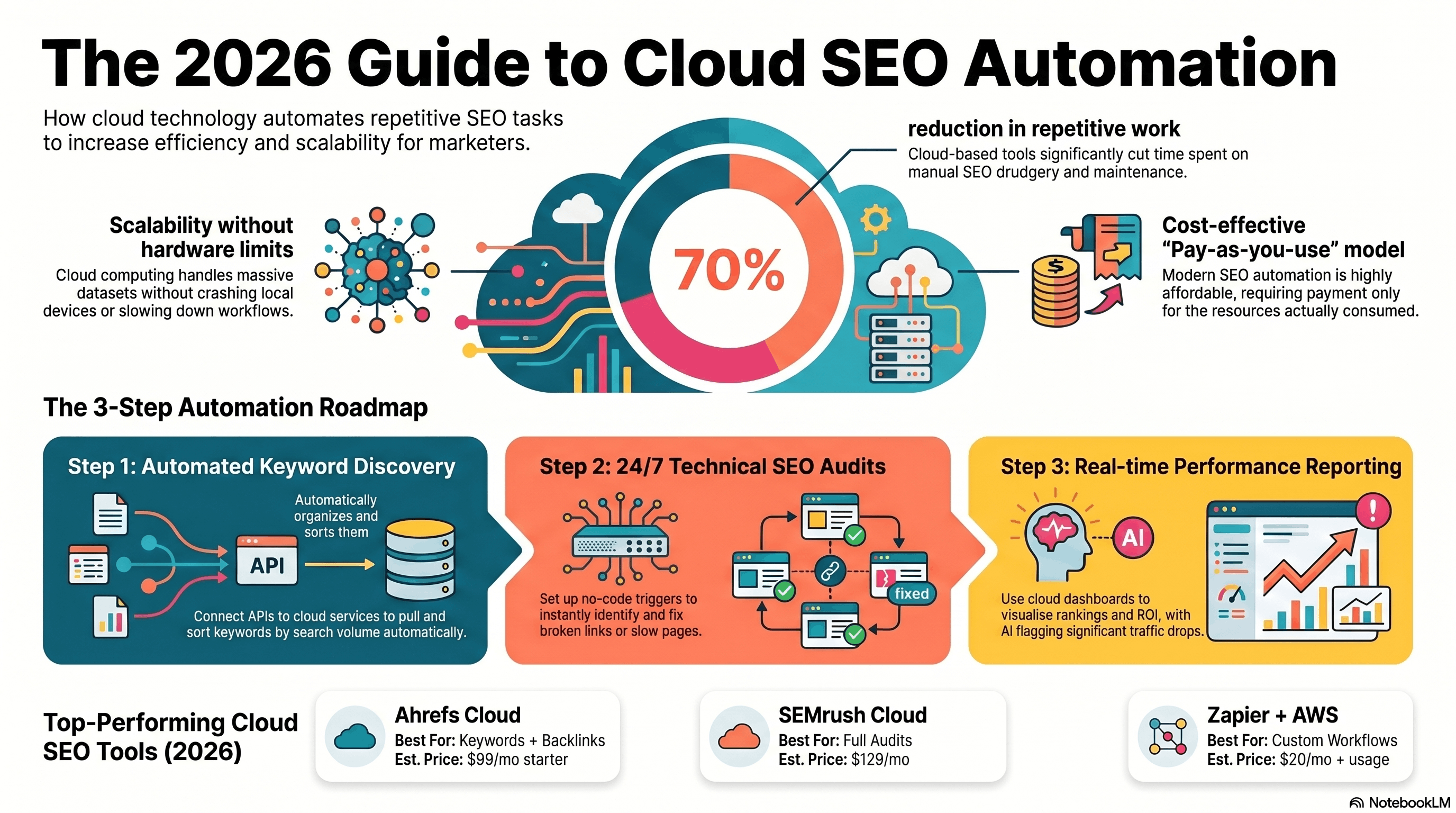
Boosting Regional Search Traffic with Automated Software
No mobile-only advertisements or pop-ups that cover content. Shopify generates sitemaps automatically. Go to and verify item URLs utilize the canonical (non-collection-prefixed) version, variant URLs are omitted, and dead/archived products are gotten rid of. Send your sitemap to Google Browse Console. FREE SEO AUDITNot sure if your Shopify store has technical SEO problems? Our team carries out comprehensive audits that identify replicate material, speed bottlenecks, and crawlability issues.
Ecommerce keyword research differs from content SEO. Your audience isn't searching for informationthey're searching for products.
A keyword with 500 regular monthly searches and 30% commercial intent often transforms better than a 50,000-volume generic term with 2% intent. Reveals search volume for your seed keywords.
Reveals keyword trouble, competitor keywords, and search intent. Use to find gaps rivals miss out on. A single long-tail keyword might bring 20 visitors per month, however 10 of them transform. Build your keyword strategy around 50100 long-tail phrases, not 5 generic ones. This diversification likewise protects you from algorithm updates that may shake a single high-volume keyword.
How to Generate Catalog Descriptions EffectivelyWrite a description that answers the searcher's implicit concern: what's in this item? Include your target keyword naturally in the very first 100 words. Structure the description as: What the product is, who it's for, and why they require it.
Top Strategies for Scaling Bulk Local Campaigns
If relevant to your keyword, include it here. Include your target keyword in 12 item images, however not all of them. Shopify includes standard product schema by default, however verify it's right: price is precise, accessibility matches your inventory, aggregate score is included, and item images are linked.
Collections rank for broad classification keywords and funnel traffic to particular products. Enhance each collection with:" [Category Keyword] [Brand/Differentiator] 150250 words opening with your target keyword, explaining what's in the collection, and consisting of an internal link to an associated blog site post. Compelling, benefit-driven, under 160 characters. Filters on collection pages produce URLs like/ collections/shoes? size=10 & color=blue.
Shopify manages this with rel="nofollow" on filter links, preventing most duplicate content concerns. Validate in your style settings that filters use nofollow. Blog sites serve two purposes: (1) they rank for informative keywords that drive awareness, and (2) they link back to your item pages, focusing ranking power. An article on "how to select treking boots" ranks for 300+ regular monthly searches and can connect to 510 item collections, enhancing their authority.
Write a description that responds to the searcher's implicit concern: what's in this item? Include your target keyword naturally in the very first 100 words. Structure the description as: What the item is, who it's for, and why they require it.
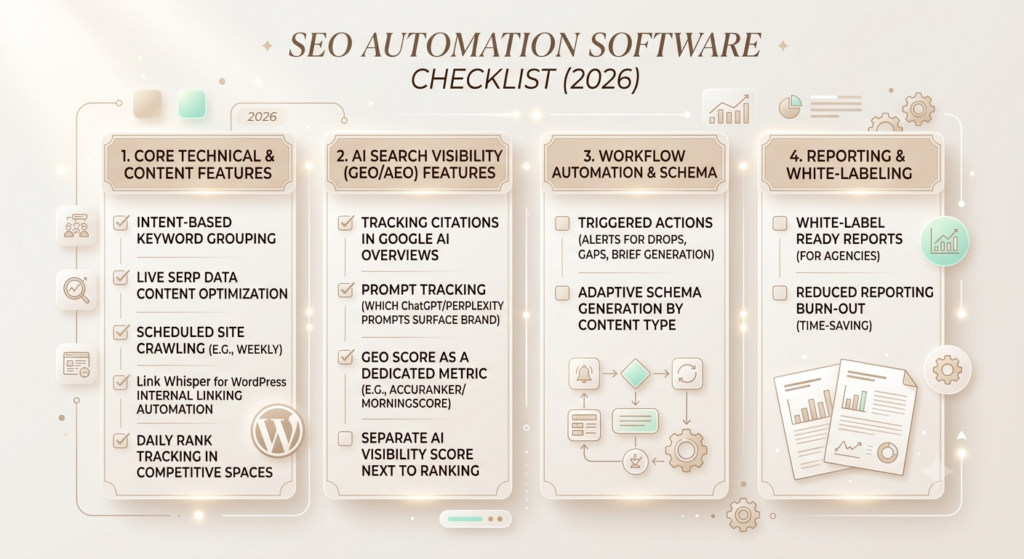
How to Automate Online Performance in 2026
If pertinent to your keyword, include it here. Include your target keyword in 12 item images, but not all of them. Shopify consists of basic item schema by default, but confirm it's right: price is accurate, accessibility matches your inventory, aggregate score is consisted of, and item images are linked.
Collections rank for broad category keywords and funnel traffic to particular products. 150250 words opening with your target keyword, describing what's in the collection, and including an internal link to an associated blog post. Filters on collection pages develop URLs like/ collections/shoes?
Shopify handles this with rel="nofollow" on filter links, avoiding most replicate content issues. Confirm in your theme settings that filters usage nofollow. Blogs serve 2 functions: (1) they rank for informational keywords that drive awareness, and (2) they connect back to your product pages, concentrating ranking power. A blog site post on "how to choose hiking boots" ranks for 300+ regular monthly searches and can link to 510 item collections, enhancing their authority.

Latest Posts
Designing Modern Programmatic SEO Frameworks for Bulk Content
Manual Versus AI SEO for E-Commerce
Designing Resilient Bulk Page Generation Systems