All Categories
Featured
Compose a description that answers the searcher's implicit question: what's in this item? Consist of a benefit, a specific function, and a call-to-action or offer (free shipping, 30-day returns, etc). Keep it under 160 characters. Write 150300 words. Include your target keyword naturally in the very first 100 words. Structure the description as: What the product is, who it's for, and why they need it.
If relevant to your keyword, include it here. "Perfect for ..." or "Get yours today." Include your target keyword in 12 item images, but not all of them. Alt text ought to be 515 words and descriptive enough that somebody who can't see the image comprehends what it shows. Example: "Merino wool waterproof hiking boot with Gore-Tex, lightweight design for mountain routes." Schema markup tells Google: "This page is an item, it costs $X, it has 4.5 stars from 120 reviews, and there are 5 in stock." Shopify includes basic product schema by default, however verify it's proper: rate is accurate, availability matches your stock, aggregate score is consisted of, and item images are connected.
Is Your Retail SEO Ready for 2026?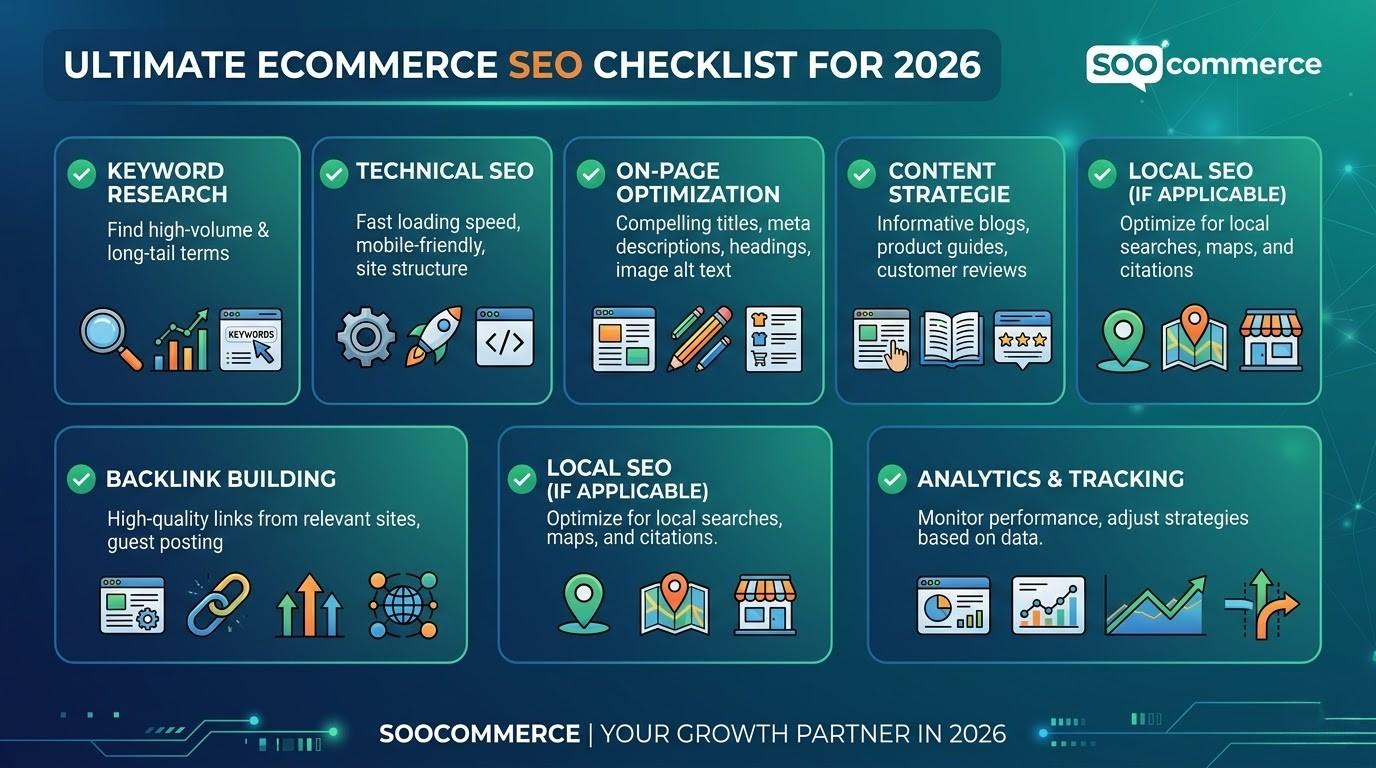
Collections rank for broad category keywords and funnel traffic to particular items. 150250 words opening with your target keyword, discussing what's in the collection, and including an internal link to a related blog post. Filters on collection pages develop URLs like/ collections/shoes?
Is Your Retail SEO Ready for 2026?
Blogs serve two functions: (1) they rank for educational keywords that drive awareness, and (2) they link back to your item pages, concentrating ranking power. A blog site post on "how to choose hiking boots" ranks for 300+ regular monthly searches and can connect to 510 item collections, increasing their authority.

Latest Posts
Designing Modern Programmatic SEO Frameworks for Bulk Content
Manual Versus AI SEO for E-Commerce
Designing Resilient Bulk Page Generation Systems